Ground Leveling in Salt Lake City, UT
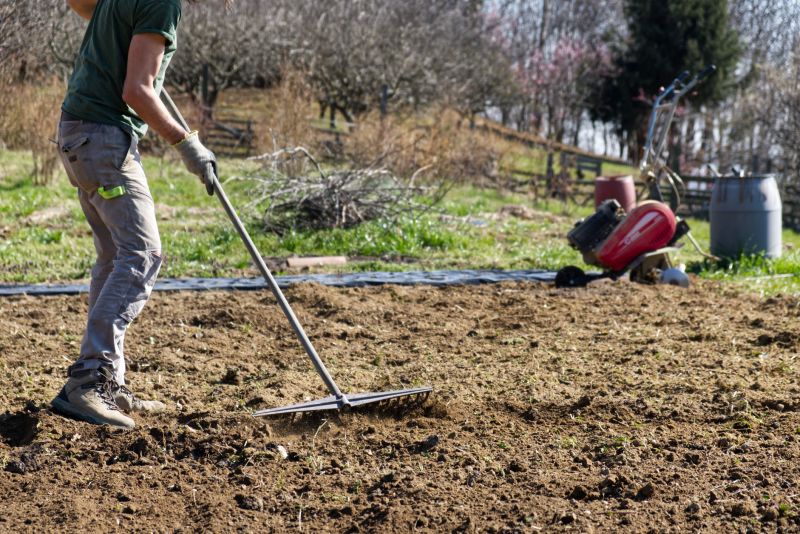
Ground leveler services focus on adjusting the elevation of land to create a stable, even surface across residential properties. These projects often include leveling uneven yards, preparing land for landscaping or construction, and correcting areas where soil has shifted or settled over time. Homeowners typically seek this service to improve drainage, prevent erosion, or ensure a flat surface for patios, driveways, or lawns, making outdoor spaces safer and more functional.
Before requesting ground leveling, property owners should consider the current condition of their land, including any existing slopes, soil stability, and drainage issues. It’s helpful to understand the extent of the unevenness, the type of soil present, and any nearby structures or landscaping features that could influence the process. Proper assessment ensures the project addresses specific needs and results in a level, durable surface suited to the property’s intended use.
Many property owners in Salt Lake City, UT look into Ground Leveling for repairs, replacements, upgrades, and appearance-related improvements.
Benefits Of Ground Leveling
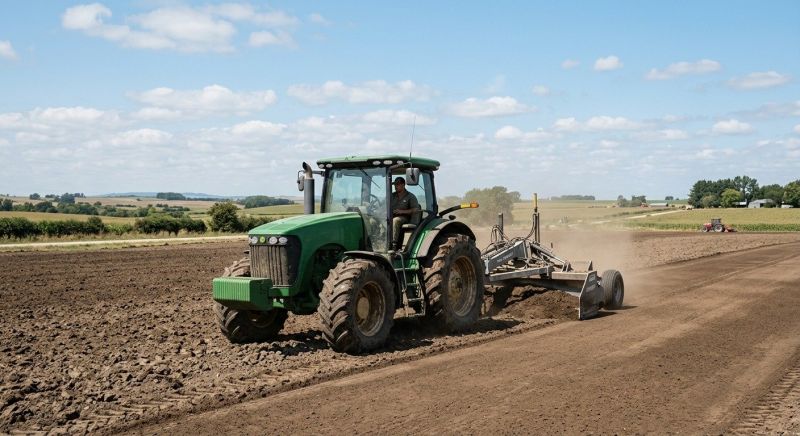
Proper ground leveling helps prevent uneven settling and structural issues on residential and commercial properties in salt lake city, ut.
Common Projects Requiring Leveling
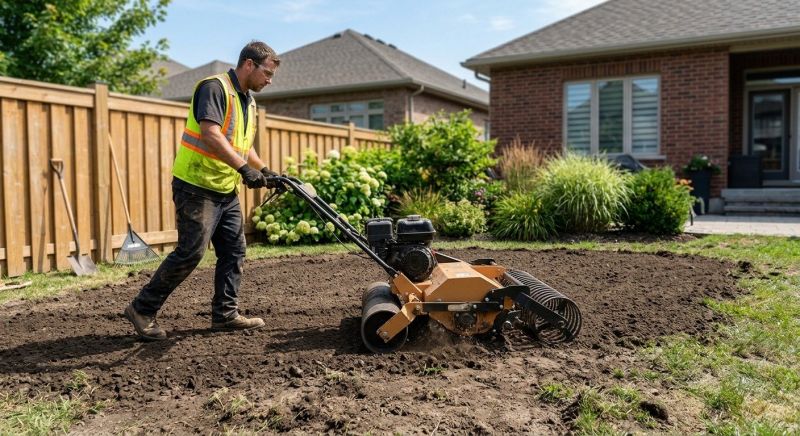
Ground leveling is often needed for installing new lawns, patios, driveways, or preparing land for construction in the salt lake city area.
Key Considerations
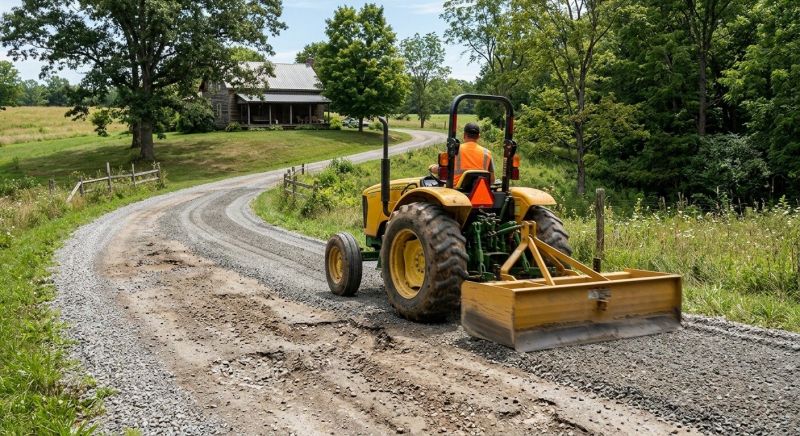
Effective ground leveling involves assessing soil conditions and ensuring proper drainage to maintain a stable and even surface.
Ground Leveling in Salt Lake City, UT
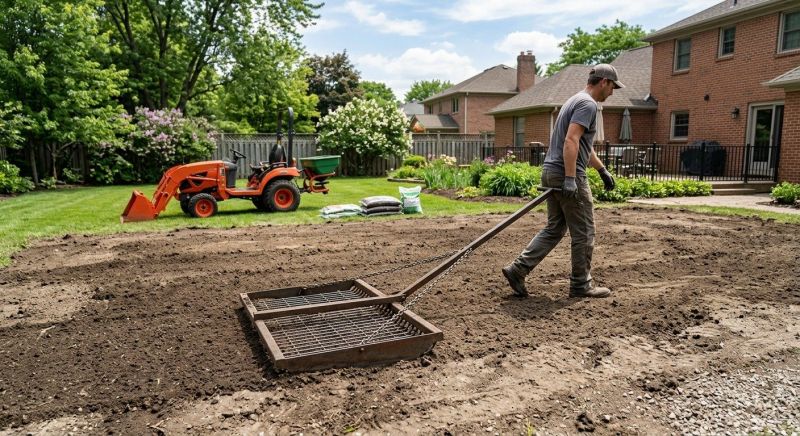
Ground leveler services focus on adjusting the elevation of land to create a stable, even surface across residential properties. These projects often include leveling uneven yards, preparing land for landscaping or construction, and correcting areas where soil has shifted or settled over time. Homeowners typically seek this service to improve drainage, prevent erosion, or ensure a flat surface for patios, driveways, or lawns, making outdoor spaces safer and more functional.
Before requesting ground leveling, property owners should consider the current condition of their land, including any existing slopes, soil stability, and drainage issues. It’s helpful to understand the extent of the unevenness, the type of soil present, and any nearby structures or landscaping features that could influence the process. Proper assessment ensures the project addresses specific needs and results in a level, durable surface suited to the property’s intended use.
Many property owners in Salt Lake City, UT look into Ground Leveling for repairs, replacements, upgrades, and appearance-related improvements.
Common Ground Leveling Jobs
Foundation leveling - stabilizes and corrects uneven or settling foundations for safety and integrity.
Landscape grading - improves yard drainage and prevents water pooling around structures.
Driveway and sidewalk leveling - restores smoothness and safety to paved surfaces.
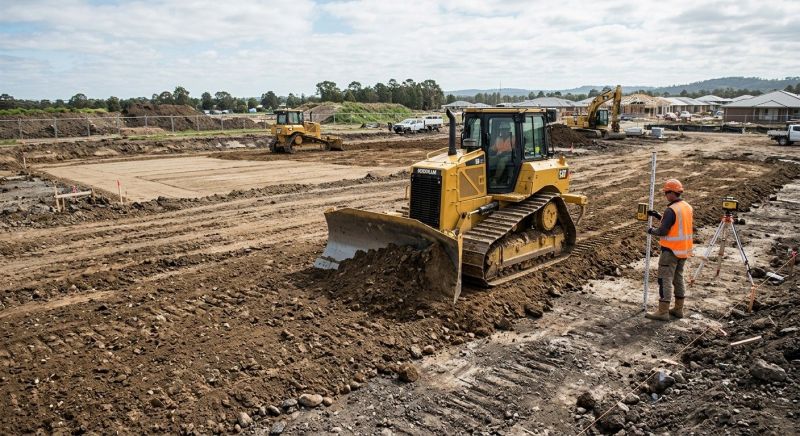
Construction site prep - prepares land for new builds by creating a level surface.
Erosion control grading - reduces soil erosion and maintains landscape stability.
Pool area leveling - ensures proper drainage and a level surface for pool installations.
Ground Leveling Questions
What is ground leveling? Ground leveling involves adjusting the soil surface to create a flat, even foundation for construction or landscaping projects.
When is ground leveling needed? It is typically required before installing driveways, patios, lawns, or building foundations to ensure stability and proper drainage.
What methods are used for ground leveling? Common methods include grading, soil removal or addition, and compacting to achieve a smooth, level surface.
How does ground leveling benefit property owners? Proper leveling prevents uneven settling, reduces drainage issues, and provides a stable base for future construction or landscaping.
Request Ground Leveling in Salt Lake City, UT
Use the quote form on this page to share the basics of your project and request more information for the type of work you need.