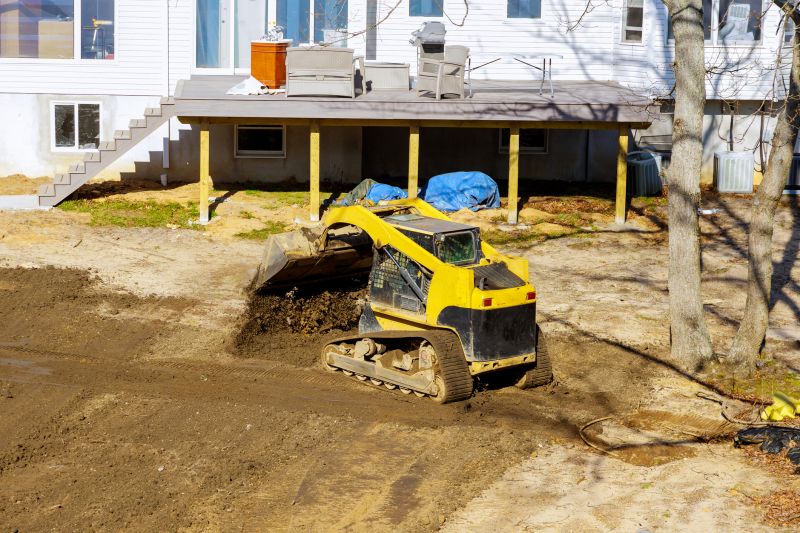
Yard Leveling in Houston, TX
Yard leveling services involve adjusting the elevation of a landscape to create a stable, even surface across lawns, gardens, and outdoor areas. This process is commonly requested for projects such as fixing uneven ground after construction, preparing a yard for new landscaping or sod, and correcting slopes that cause drainage issues. Homeowners typically seek yard leveling to improve the safety, appearance, and functionality of their outdoor spaces, ensuring water flows away from foundations and preventing pooling or erosion.
Before requesting yard leveling, property owners should consider the extent of the unevenness, the type of soil, and any existing drainage problems. Understanding the scope of the project helps determine whether the work involves simple grading or more extensive excavation. It’s also important to evaluate how the yard’s current features-such as trees, pathways, or existing landscaping-may be affected during the process. Clear communication about goals and expectations can help ensure the completed project meets the desired outcome.
Many property owners in Houston, TX look into Yard Leveling for repairs, replacements, upgrades, and appearance-related improvements.
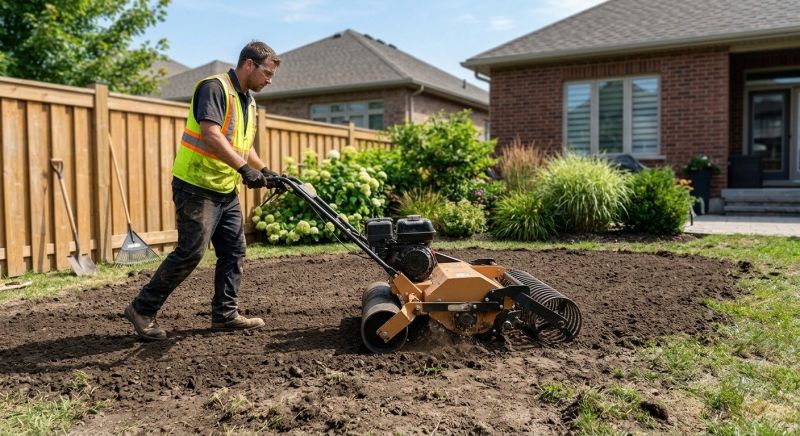
Benefits Of Yard Leveling
Proper yard leveling helps prevent drainage issues and creates a safer outdoor space.
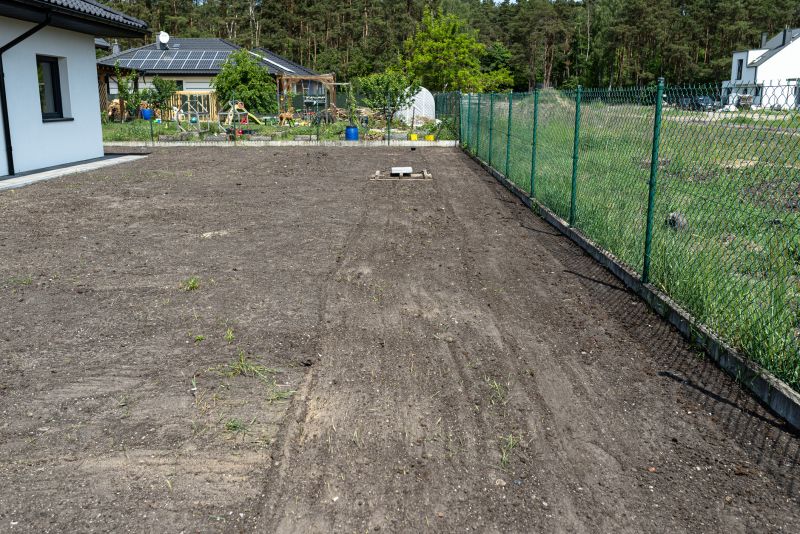
Common Projects
Yard leveling is often used to prepare for landscaping, patios, or new lawn installation.
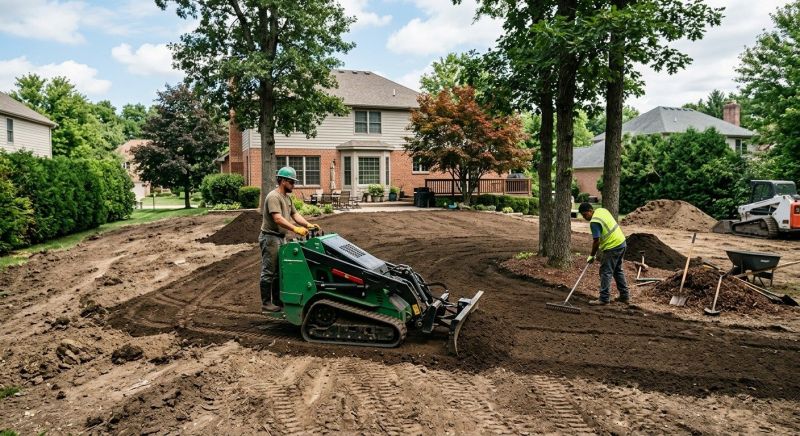
Signs You Need Yard Leveling
Noticeable uneven areas, standing water, or shifting structures may indicate the need for yard leveling services.
Yard Leveling in Houston, TX
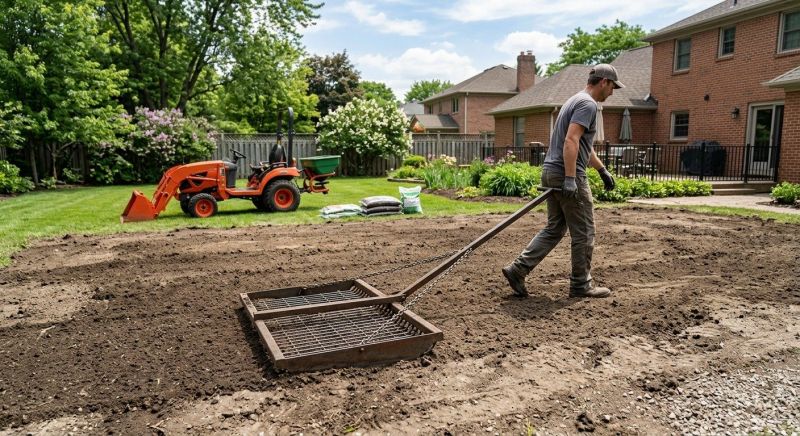
Yard leveling services involve adjusting the elevation of a landscape to create a stable, even surface across lawns, gardens, and outdoor areas. This process is commonly requested for projects such as fixing uneven ground after construction, preparing a yard for new landscaping or sod, and correcting slopes that cause drainage issues. Homeowners typically seek yard leveling to improve the safety, appearance, and functionality of their outdoor spaces, ensuring water flows away from foundations and preventing pooling or erosion.
Before requesting yard leveling, property owners should consider the extent of the unevenness, the type of soil, and any existing drainage problems. Understanding the scope of the project helps determine whether the work involves simple grading or more extensive excavation. It’s also important to evaluate how the yard’s current features-such as trees, pathways, or existing landscaping-may be affected during the process. Clear communication about goals and expectations can help ensure the completed project meets the desired outcome.
Many property owners in Houston, TX look into Yard Leveling for repairs, replacements, upgrades, and appearance-related improvements.
Common Yard Leveling Jobs
Yard leveling - addresses uneven terrain to create a stable, attractive lawn.
Landscape grading - improves drainage and prevents water pooling around the property.
Slope correction - adjusts yard slopes for proper runoff and erosion control.
Garden bed leveling - ensures flower beds and planting areas are even and accessible.
Driveway and walkway leveling - repairs uneven surfaces for safety and curb appeal.
Erosion control - stabilizes soil and prevents future shifting or settling.
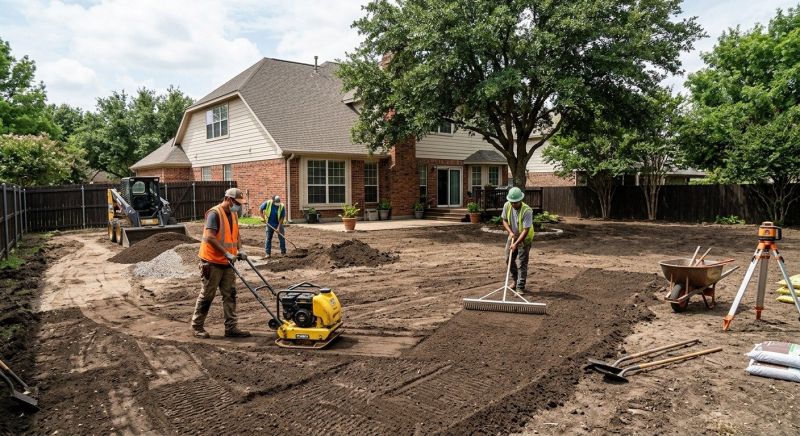
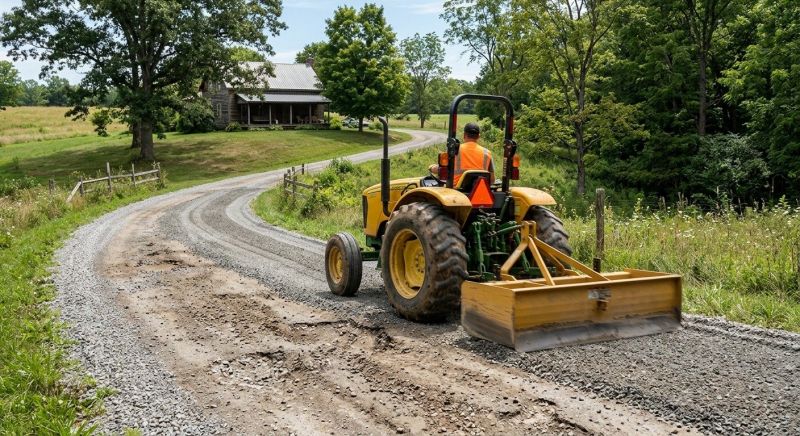
Yard Leveling Questions
What is yard leveling? Yard leveling involves adjusting the ground surface to create a flat, even area, improving drainage and appearance.
What types of projects require yard leveling? Common projects include preparing lawns for landscaping, installing new patios, or fixing uneven ground caused by settling or erosion.
How does yard leveling benefit property owners? It enhances the safety and usability of outdoor spaces, prevents water pooling, and improves overall curb appeal.
What factors influence yard leveling needs? The extent of unevenness, soil type, and existing landscape features determine the scope and approach of the leveling work.
Request Yard Leveling in Houston, TX
Use the quote form on this page to share the basics of your project and request more information for the type of work you need.